Pale Purple Coneflower
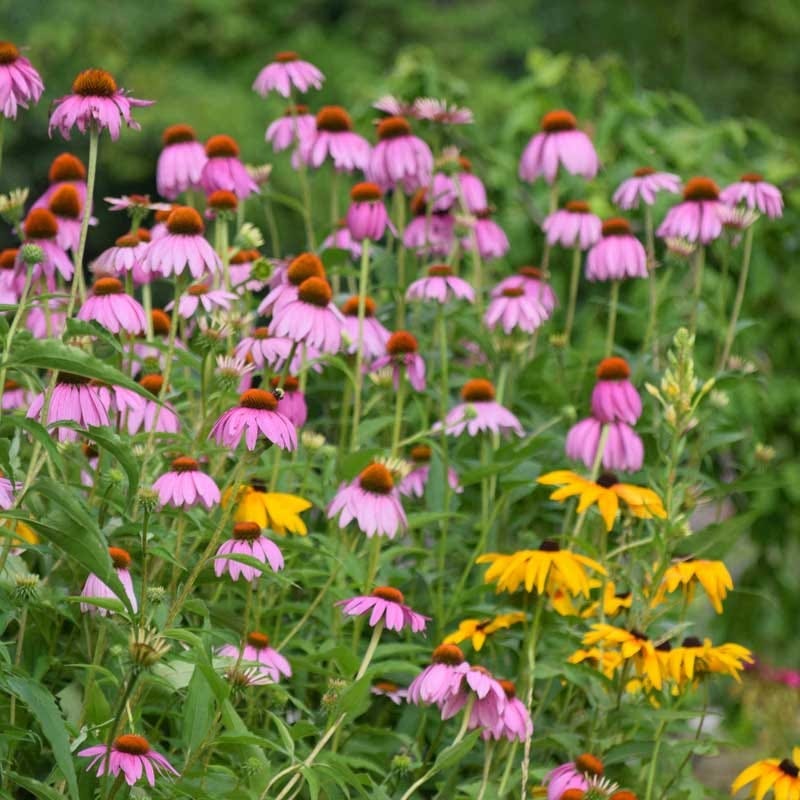
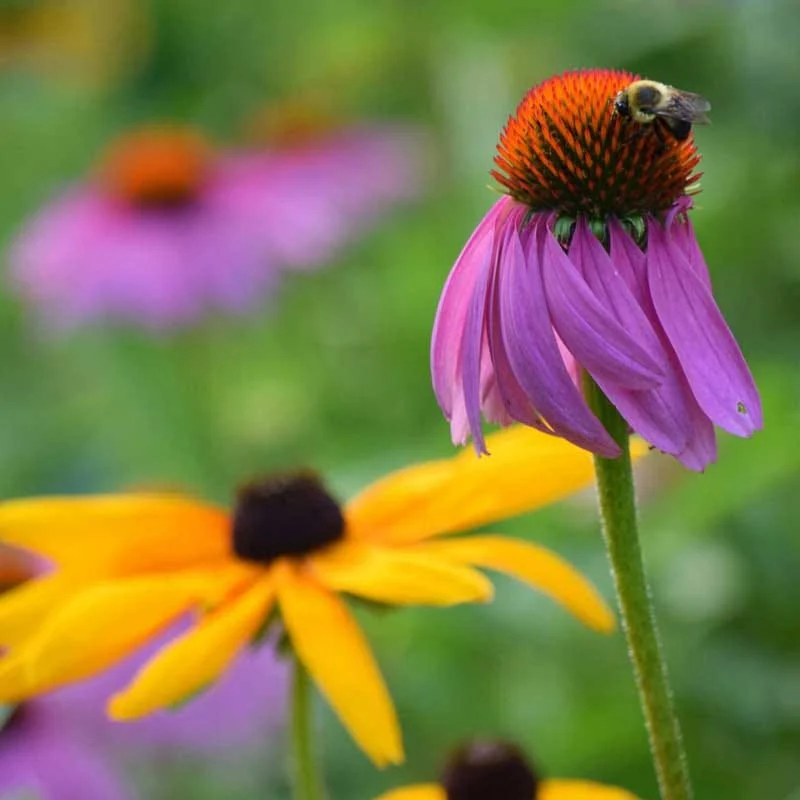
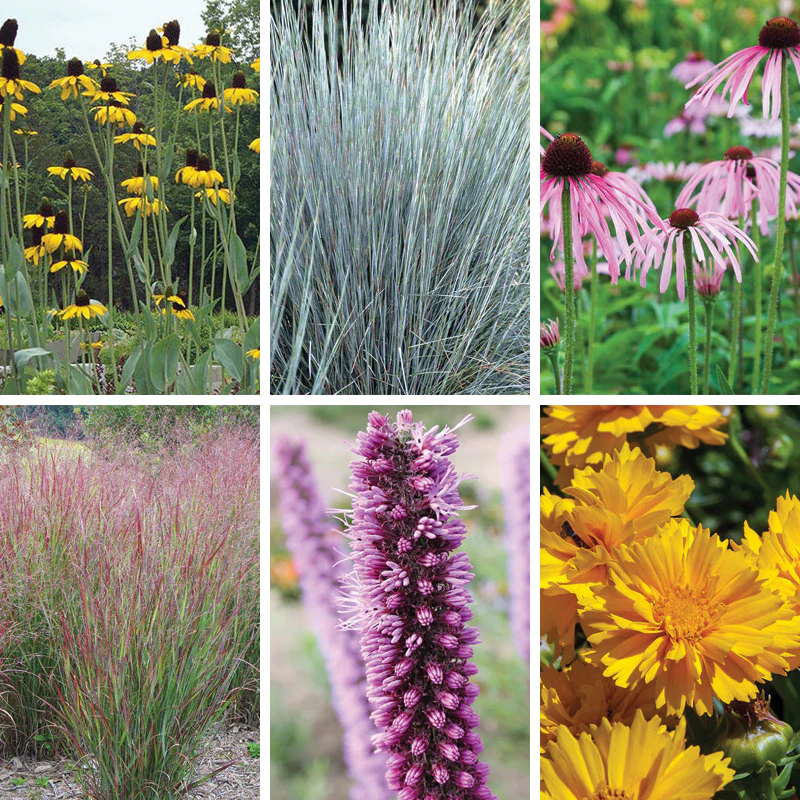
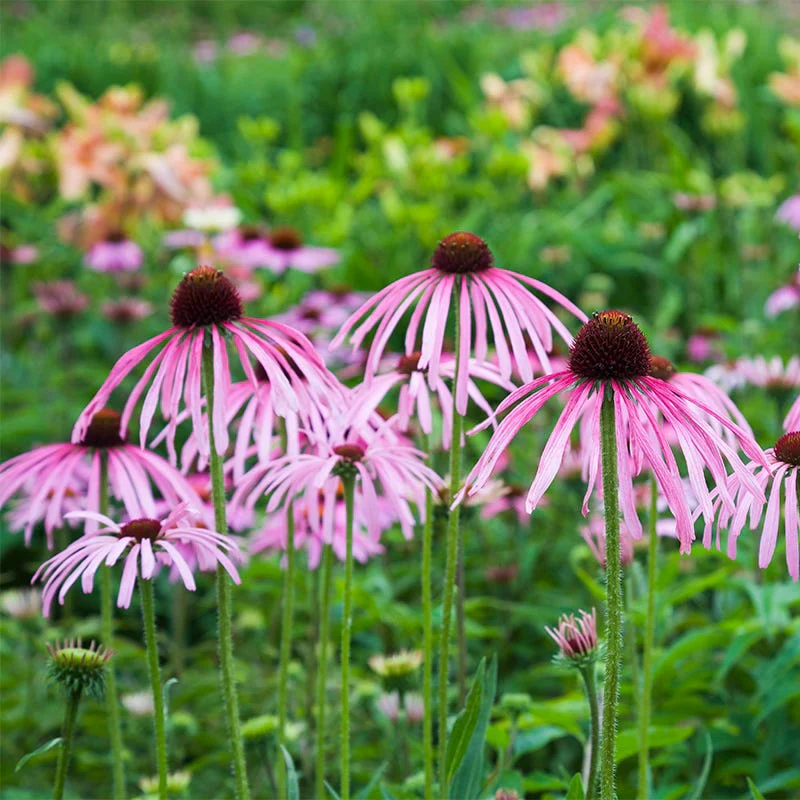
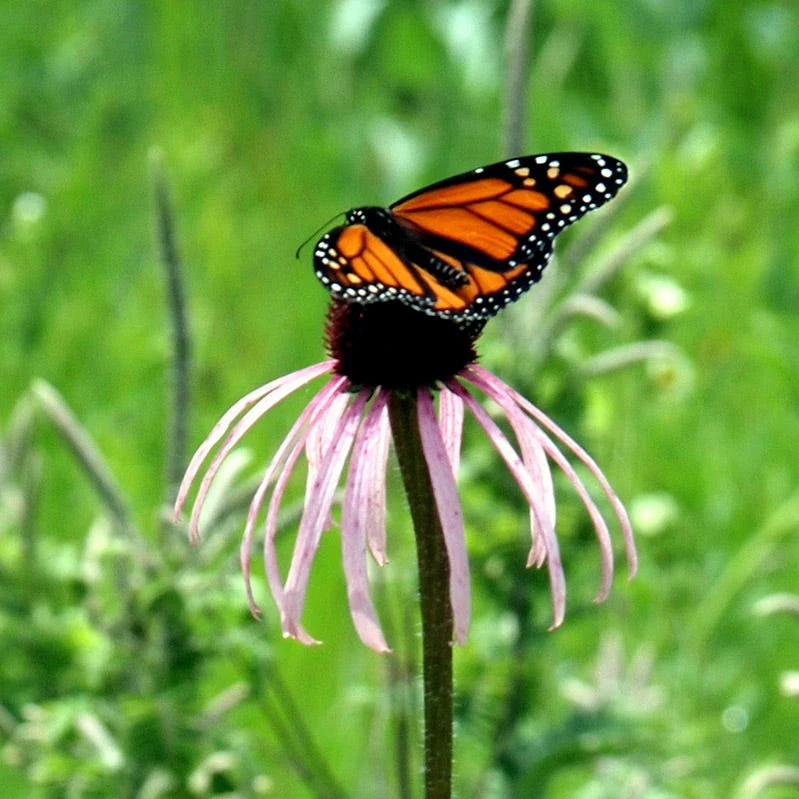
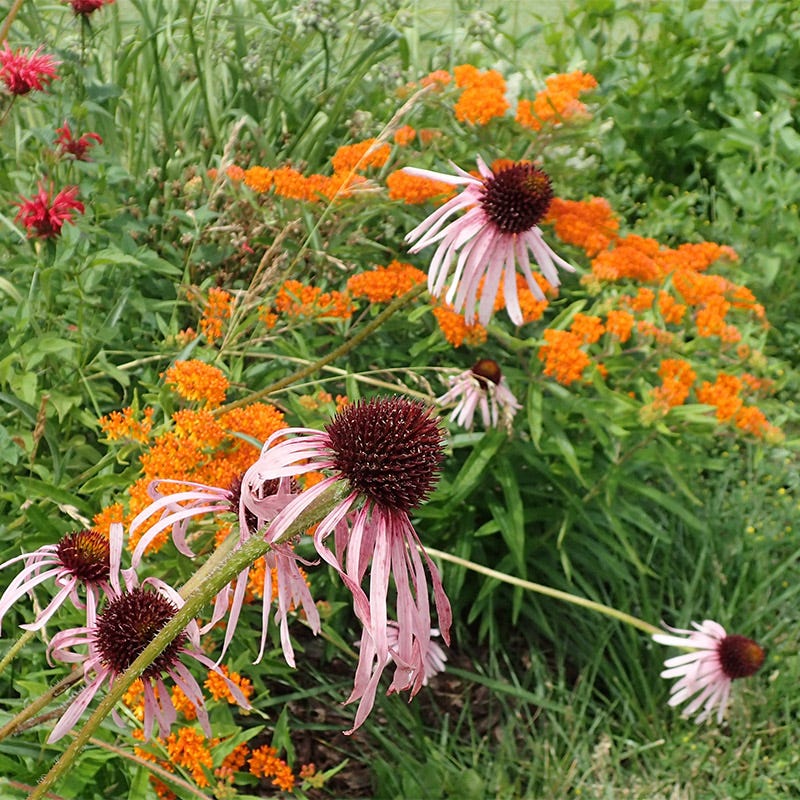
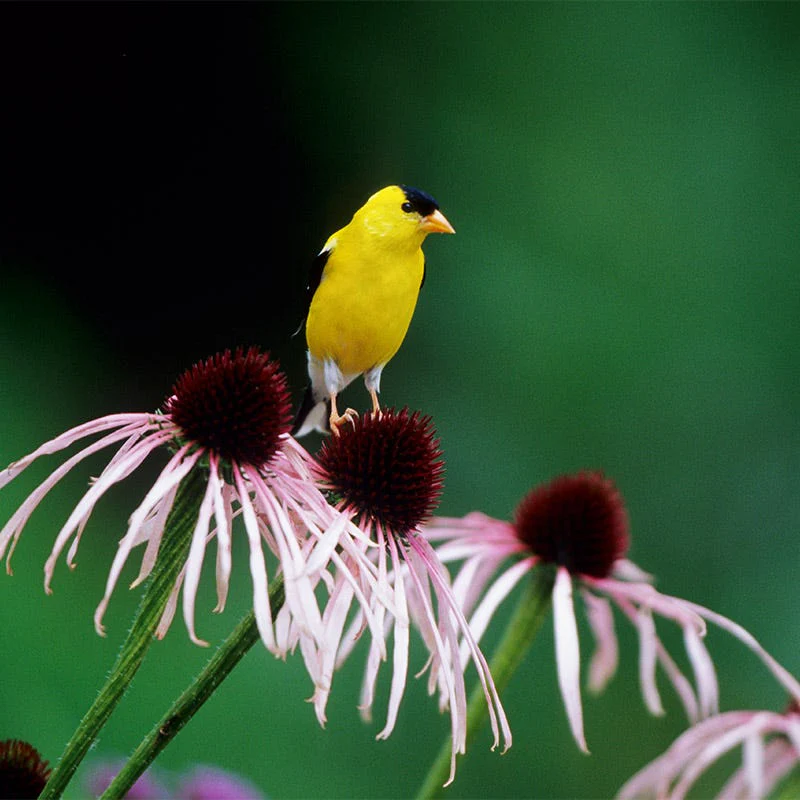
(24-36" tall x 12-18" wide) Native to much of the central and eastern US, Pale Purple Coneflower is a must-have flower for meadows and native plantings. Don't let its delicate appearance fool you — this species, like other Echinacea, is hardy, durable, easy to grow, and readily naturalizes to form extensive stands. Its pollinator-friendly flowers bloom from early to mid-summer — an especially important time because nectar and pollen are sometimes scarce until summer flowers reach full bloom. Pale Purple Coneflower is also a host plant for the larvae of the Ottoe-skipper butterfly, a once-common prairie butterfly whose populations are diminishing due to loss of its native prairie habitat. Native Americans used this species in medicinal practices long before the European settlers arrived on the continent. This species blooms slightly ahead of other Purple Coneflowers, so plant both types so you and the pollinators can enjoy a full summer's worth of blooms. The fragrant blooms make lovely cut flowers. Allow some blooms to remain on the plant to form seed heads, which will draw birds from near and far. Plant this deer-resistant beauty in full sun to part shade and well-drained soil. Once established, it will tolerate heat, humidity, and moderate drought. Avoid wet spots, which can lead to root rot. Super-adaptable, it grows in zones 3-10.
More Images
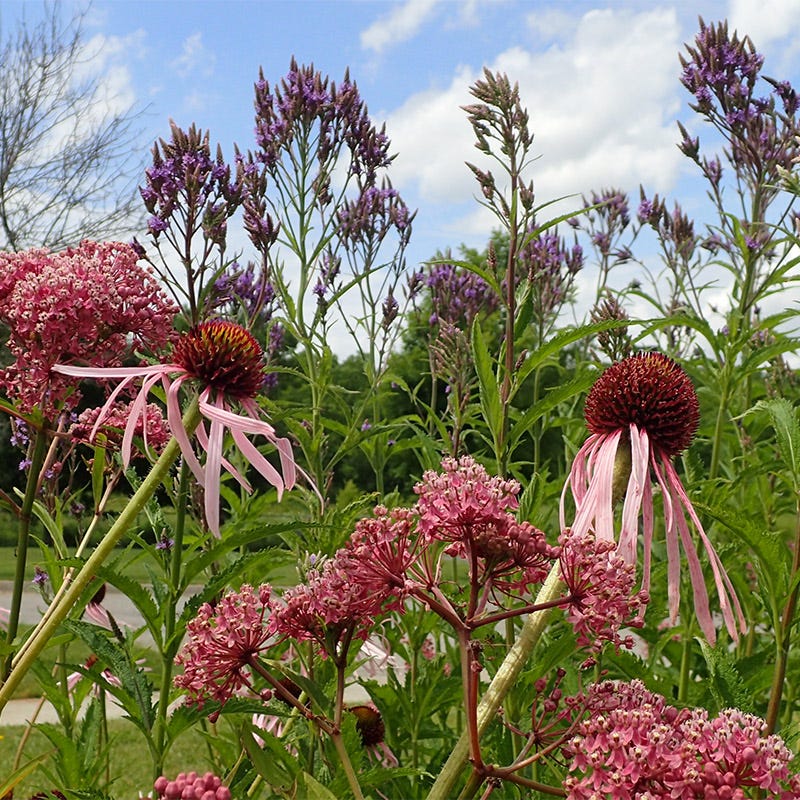
Pale Purple Coneflower
(24-36" tall x 12-18" wide) Native to much of the central and eastern US, Pale Purple Coneflower is a must-have flower for meadows and native plantings. Don't let its delicate appearance fool you — this species, like other Echinacea, is hardy, durable, easy to grow, and readily naturalizes to form extensive stands. Its pollinator-friendly flowers bloom from early to mid-summer — an especially important time because nectar and pollen are sometimes scarce until summer flowers reach full bloom. Pale Purple Coneflower is also a host plant for the larvae of the Ottoe-skipper butterfly, a once-common prairie butterfly whose populations are diminishing due to loss of its native prairie habitat. Native Americans used this species in medicinal practices long before the European settlers arrived on the continent. This species blooms slightly ahead of other Purple Coneflowers, so plant both types so you and the pollinators can enjoy a full summer's worth of blooms. The fragrant blooms make lovely cut flowers. Allow some blooms to remain on the plant to form seed heads, which will draw birds from near and far. Plant this deer-resistant beauty in full sun to part shade and well-drained soil. Once established, it will tolerate heat, humidity, and moderate drought. Avoid wet spots, which can lead to root rot. Super-adaptable, it grows in zones 3-10.
Product Information
Product Information
Shipping & Returns
Shipping & Returns
Description
(24-36" tall x 12-18" wide) Native to much of the central and eastern US, Pale Purple Coneflower is a must-have flower for meadows and native plantings. Don't let its delicate appearance fool you — this species, like other Echinacea, is hardy, durable, easy to grow, and readily naturalizes to form extensive stands. Its pollinator-friendly flowers bloom from early to mid-summer — an especially important time because nectar and pollen are sometimes scarce until summer flowers reach full bloom. Pale Purple Coneflower is also a host plant for the larvae of the Ottoe-skipper butterfly, a once-common prairie butterfly whose populations are diminishing due to loss of its native prairie habitat. Native Americans used this species in medicinal practices long before the European settlers arrived on the continent. This species blooms slightly ahead of other Purple Coneflowers, so plant both types so you and the pollinators can enjoy a full summer's worth of blooms. The fragrant blooms make lovely cut flowers. Allow some blooms to remain on the plant to form seed heads, which will draw birds from near and far. Plant this deer-resistant beauty in full sun to part shade and well-drained soil. Once established, it will tolerate heat, humidity, and moderate drought. Avoid wet spots, which can lead to root rot. Super-adaptable, it grows in zones 3-10.