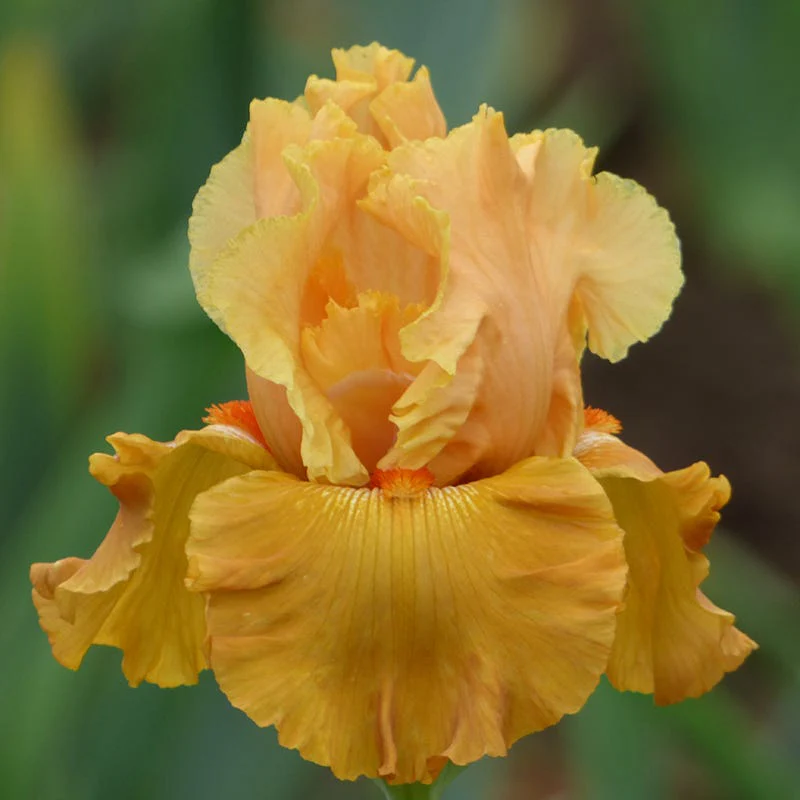
Mai Tai Join You Bearded Iris
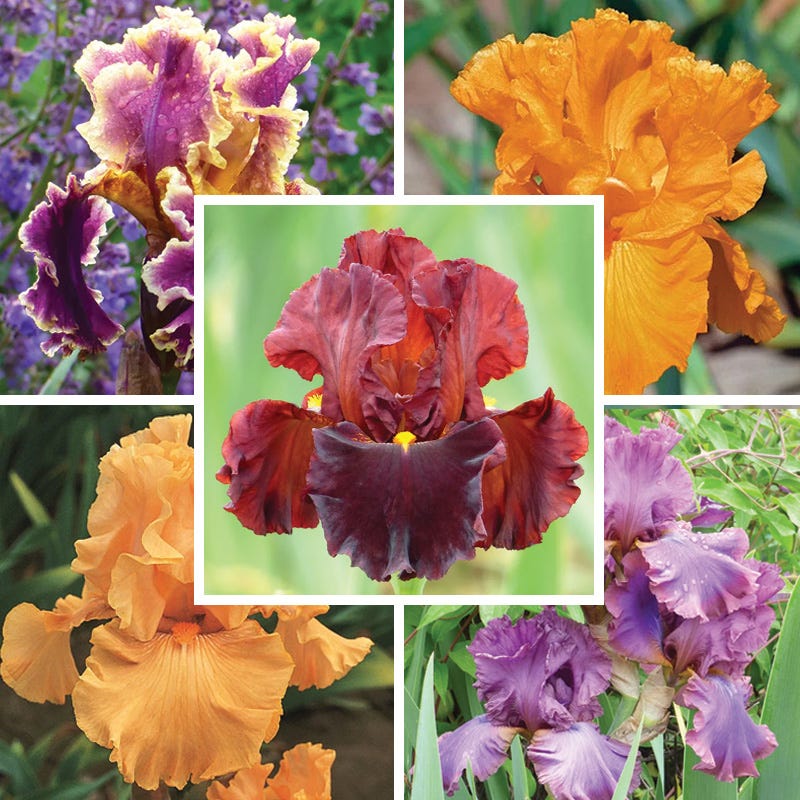
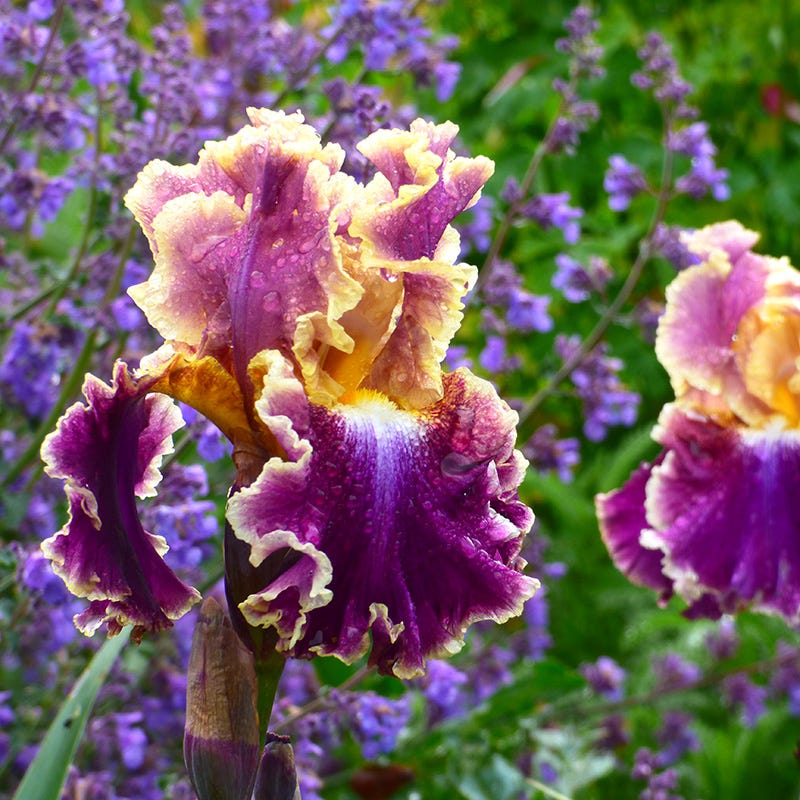
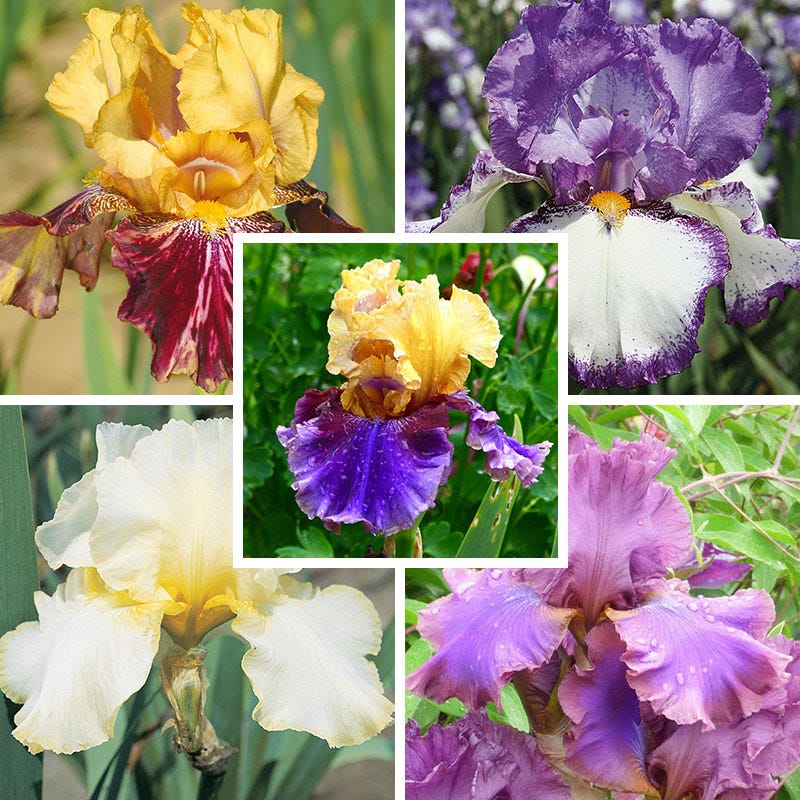
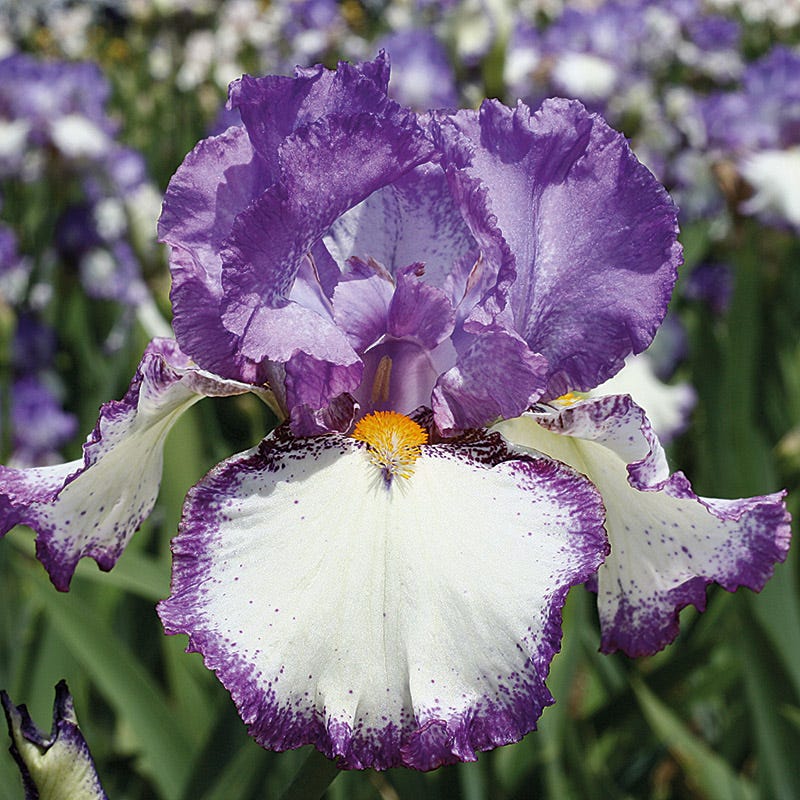
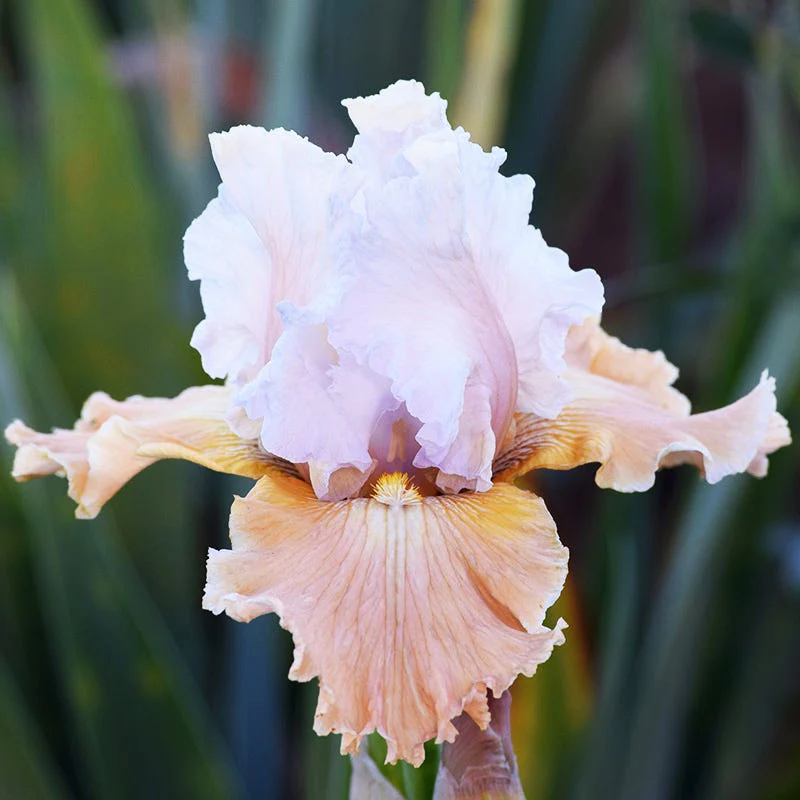
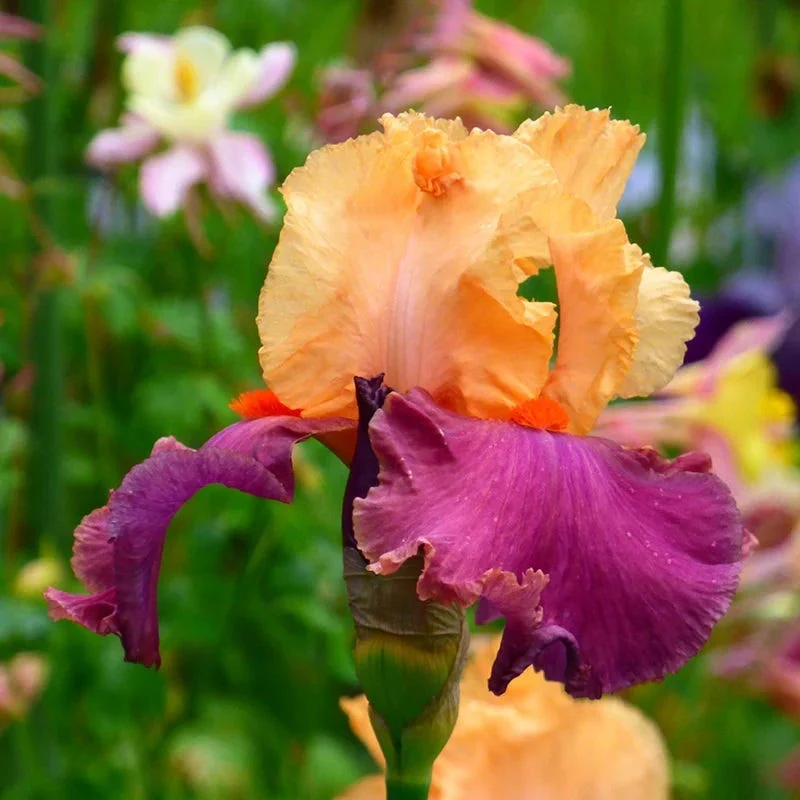
With its sultry blend of fruit-toned petals, ‘Mai Tai Join You’ is a garden happy hour in full bloom. It delivers bold contrast with its apricot-to-peach blooms. A citrusy beard adds even more zing.
Reaching 36 inches tall, this tall bearded iris is a stunner for late spring. Whether paired with oranges, blues, or deep purples, it always brings out the party spirit in a planting.
Plant in full sun, with rhizomes just peeking from the soil. Keep well-drained and divide every few seasons for best results.
Bold, bright, and full of flavor—‘Mai Tai Join You’ brings the celebration outdoors.
Growing Bearded Irises These majestic flowers are surprisingly easy to grow, and actually require less attention than almost any other garden flowers. Your iris roots will arrive with the foliage "trimmed" from this spring's growth. You'll find the "root" is not really a bulb, but what is called a "rhizome"--an irregularly shaped bulbous root that grows at a right angle from the foliage. Leave the trimmed foliage as it is, and simply bury the rhizome with the top of it showing through the soil surface. Bearded irises grow best with the tops of their rhizomes exposed.
Next spring, new foliage and the flower spikes will sprout strongly from the rhizome. What's more, next summer, you'll notice the rhizome multiplying for even more flowers as years go by.
More Images
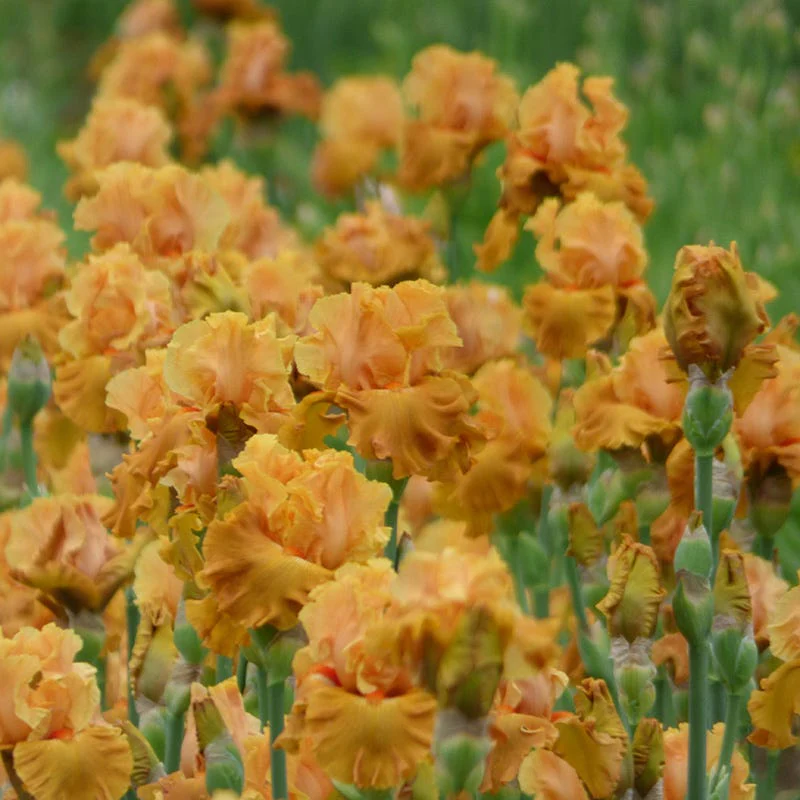
Mai Tai Join You Bearded Iris
With its sultry blend of fruit-toned petals, ‘Mai Tai Join You’ is a garden happy hour in full bloom. It delivers bold contrast with its apricot-to-peach blooms. A citrusy beard adds even more zing.
Reaching 36 inches tall, this tall bearded iris is a stunner for late spring. Whether paired with oranges, blues, or deep purples, it always brings out the party spirit in a planting.
Plant in full sun, with rhizomes just peeking from the soil. Keep well-drained and divide every few seasons for best results.
Bold, bright, and full of flavor—‘Mai Tai Join You’ brings the celebration outdoors.
Growing Bearded Irises These majestic flowers are surprisingly easy to grow, and actually require less attention than almost any other garden flowers. Your iris roots will arrive with the foliage "trimmed" from this spring's growth. You'll find the "root" is not really a bulb, but what is called a "rhizome"--an irregularly shaped bulbous root that grows at a right angle from the foliage. Leave the trimmed foliage as it is, and simply bury the rhizome with the top of it showing through the soil surface. Bearded irises grow best with the tops of their rhizomes exposed.
Next spring, new foliage and the flower spikes will sprout strongly from the rhizome. What's more, next summer, you'll notice the rhizome multiplying for even more flowers as years go by.
Product Information
Product Information
Shipping & Returns
Shipping & Returns
Description
With its sultry blend of fruit-toned petals, ‘Mai Tai Join You’ is a garden happy hour in full bloom. It delivers bold contrast with its apricot-to-peach blooms. A citrusy beard adds even more zing.
Reaching 36 inches tall, this tall bearded iris is a stunner for late spring. Whether paired with oranges, blues, or deep purples, it always brings out the party spirit in a planting.
Plant in full sun, with rhizomes just peeking from the soil. Keep well-drained and divide every few seasons for best results.
Bold, bright, and full of flavor—‘Mai Tai Join You’ brings the celebration outdoors.
Growing Bearded Irises These majestic flowers are surprisingly easy to grow, and actually require less attention than almost any other garden flowers. Your iris roots will arrive with the foliage "trimmed" from this spring's growth. You'll find the "root" is not really a bulb, but what is called a "rhizome"--an irregularly shaped bulbous root that grows at a right angle from the foliage. Leave the trimmed foliage as it is, and simply bury the rhizome with the top of it showing through the soil surface. Bearded irises grow best with the tops of their rhizomes exposed.
Next spring, new foliage and the flower spikes will sprout strongly from the rhizome. What's more, next summer, you'll notice the rhizome multiplying for even more flowers as years go by.